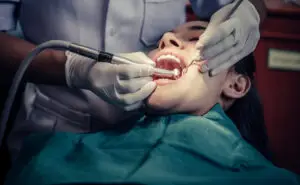
Many people ignore dental problems until the pain becomes difficult to tolerate.
A little bleeding while brushing. Occasional sensitivity to cold water. Bad breath that keeps returning. A tooth that feels slightly loose.
These symptoms may seem minor, but they can sometimes indicate dental or gum problems that should be evaluated.
The American Dental Association’s consumer health resource, MouthHealthy, identifies symptoms such as bleeding or swollen gums and sensitivity to hot or cold as reasons to see a dentist.
1. Bleeding Gums
Healthy gums should not regularly bleed during normal brushing and flossing.
Bleeding gums can have several causes. One common cause is gingivitis, an early stage of gum disease. Other possibilities include brushing too hard, starting a new flossing routine, pregnancy-related gum changes or certain medications.
If your gums bleed regularly, it is worth having them examined.
What Can Gum Disease Look Like?
Warning signs can include:
- Gums that bleed easily
- Red or swollen gums
- Tender gums
- Gums pulling away from the teeth
- Persistent bad breath
- Loose teeth
- Changes in how your teeth fit together when you bite
These are recognised warning signs of gum disease.
Early gum disease may not always be painful, which is one reason regular dental examinations matter.
2. Tooth Sensitivity
Do you feel a sharp pain when drinking cold water or eating ice cream?
Tooth sensitivity can have several causes, including:
- Tooth decay
- Cracked or fractured teeth
- Worn fillings
- Gum disease
- Worn tooth enamel
- Exposed tooth roots
The appropriate treatment depends on the underlying cause.
Sensitivity that occurs repeatedly should therefore not simply be managed indefinitely with home remedies.
3. Persistent Toothache
A toothache is a symptom—not a diagnosis.
It may be related to tooth decay, gum disease, an abscess, an impacted tooth or another dental problem.
The ADA advises that tooth pain should be evaluated by a dentist to determine the cause and prevent the problem from progressing.
If pain is accompanied by facial swelling, fever, difficulty swallowing or difficulty breathing, seek urgent medical attention.
4. Swollen or Tender Gums
Swollen gums can occur because of plaque accumulation and gingival inflammation, but they can have other causes as well.
If swelling persists or is accompanied by pain, bleeding, pus, bad taste or loose teeth, a dental examination is appropriate.
5. Persistent Bad Breath
Bad breath can occasionally be caused by foods, dehydration or temporary factors.
Persistent bad breath, however, can sometimes be associated with oral health problems such as gum disease.
Good brushing, cleaning between the teeth and regular dental care are important parts of oral hygiene.
6. Loose Adult Teeth
Adult teeth should not become loose without explanation.
Loose teeth can be associated with advanced gum disease or other dental problems and should be assessed promptly.
7. Receding Gums
If your teeth appear to be getting longer because more of the tooth is visible, your gums may have receded.
Gum recession can expose the tooth root and contribute to sensitivity.
A dentist can assess the cause and advise on appropriate treatment.
8. A Change in Your Bite
If your teeth suddenly feel different when you bite or your existing dentures no longer fit comfortably, this should not be ignored.
Changes in tooth position, gum health or other oral structures may be responsible.
Why Regular Dental Check-Ups Matter
Dental visits are not only about treating pain.
Regular examinations can help identify problems before they become more complicated. The ADA notes that routine dental visits can help identify dental problems early, when treatment may be simpler.
Your dentist may examine:
- Teeth
- Gums
- Existing fillings or crowns
- Bite
- Oral tissues
- Signs of decay
- Signs of gum disease
Depending on your symptoms, dental X-rays or other investigations may be recommended.
How Can You Protect Your Oral Health?
Simple habits can make a difference:
Brush twice a day
Use a suitable toothbrush and fluoride toothpaste unless your dentist advises otherwise.
Clean between your teeth
Floss or use another interdental cleaning method recommended by your dental professional.
Limit frequent sugary foods and drinks
Repeated sugar exposure can contribute to tooth decay.
Don’t ignore persistent symptoms
Pain that keeps returning is a reason to investigate the cause rather than repeatedly masking the symptom.
Visit your dentist regularly
The appropriate frequency depends on your individual oral health and risk factors.
When Is Dental Pain an Emergency?
Seek urgent medical attention for severe symptoms such as:
- Rapidly increasing facial or mouth swelling
- Difficulty breathing
- Difficulty swallowing
- Significant uncontrolled bleeding
- Severe infection symptoms accompanied by fever or worsening swelling
These situations may require urgent treatment rather than a routine dental appointment.
Dental Care at Apollo Clinic Dharapur
Apollo Clinic Dharapur offers dental care as part of its range of healthcare services in Dharapur, Guwahati.
Whether you are experiencing tooth sensitivity, bleeding gums, toothache or another oral health concern, professional evaluation can help determine the cause and appropriate next steps.
Don’t wait for dental pain to become severe before seeking advice.
Frequently Asked Questions
1. Are bleeding gums normal?
Occasional bleeding can have simple causes, but regular bleeding should be discussed with a dentist because it can be associated with gingivitis or gum disease.
2. Why are my teeth sensitive to cold?
Sensitivity can result from several problems, including decay, enamel wear, gum recession, exposed roots, fractured teeth or worn fillings.
3. Can sensitive teeth be treated?
Yes. Treatment depends on the cause and may include desensitising toothpaste, fluoride treatments or treatment of decay, fractures or gum problems.
4. Should I see a dentist if I have bad breath?
Persistent bad breath can sometimes be associated with oral health problems, including gum disease, and is worth discussing with a dentist.
5. How often should I have a dental check-up?
There is no single interval suitable for everyone. Your dentist can recommend a schedule based on your oral health and risk factors.
Medical Disclaimer
This article is intended for general oral-health education and does not replace examination or advice from a qualified dental professional. Persistent, severe or worsening symptoms should be professionally assessed.
- Dental Services
- Health Check-Up Packages
- Blood Testing
- Diabetes Care
- Contact Apollo Clinic Dharapur